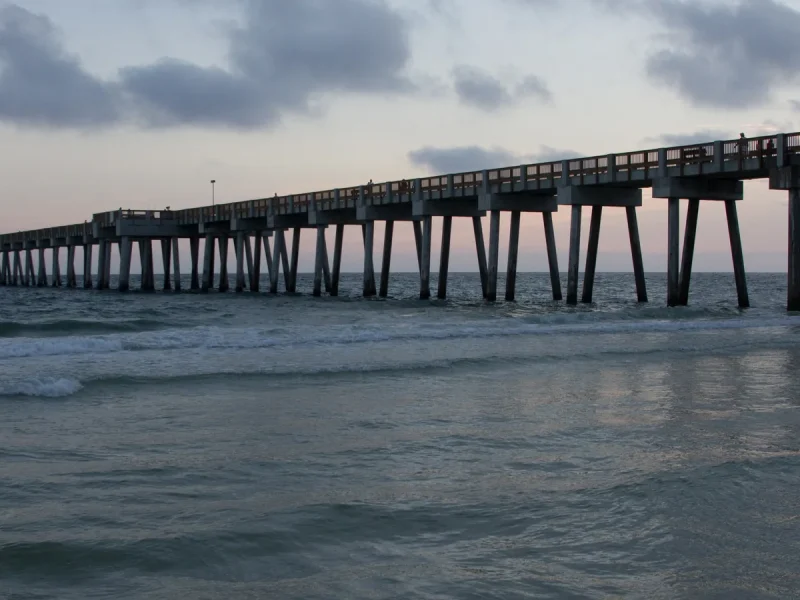
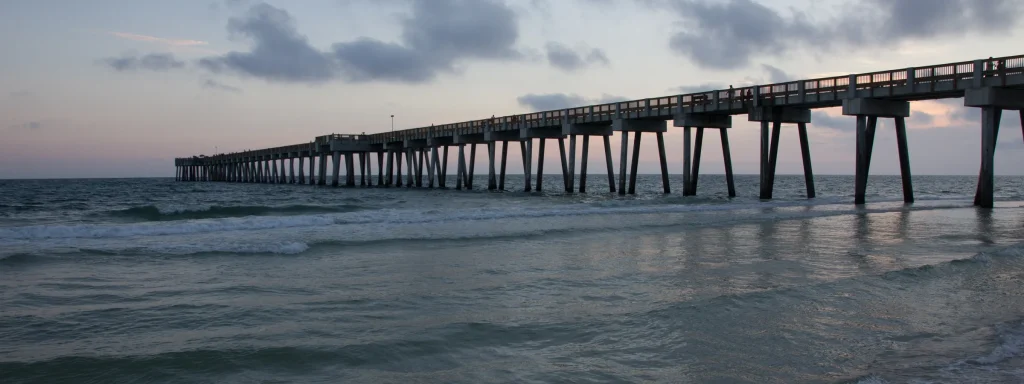
A first visit to Panama City Beach starts with a useful distinction: this is the beach destination on Florida’s Gulf coast, beside neighboring Panama City. The names are close, but an accommodation address on one side does not put you beside every attraction on the other. Put your proposed base and two or three important outings on a map before you book.
Then give the trip a simple shape. A beach morning, one outing, and an unhurried meal can make a satisfying day. You do not need to cross the entire destination repeatedly to feel that you have seen it. Start with what matters to your group and let the smaller choices follow.

Shell Island Snorkel and Dolphin Catamaran Cruise with Island Time
Experience the best of Panama City Beach on this 3-hour Shell Island snorkel and dolphin cruise aboard a spacious sailing catamaran. This family-frien...

Snorkel Excursion/Dolphin Sightseeing with Good Jibez Only in PCB
Welcome to your favorite day of vacation! Come snorkel the beautiful waters of the Emerald Coast at Shell Island in...

Panama City Beach Dolphin Cruise
Experience the joy of watching dolphins in their natural habitat with our family-friendly dolphin cruises in Panama...

Dolphin Sunset Cruise in Panama City Beach on the "Island Time"
The Dolphin Watching & Sunset Sail is a 2 hour cruise aboard the Island Time Sailing Catamaran which departs from th...
Choose the place you will return to
The destination’s regions offer different starting points. The Pier Park area pairs shopping and dining with the shore around Russell-Fields City Pier. Grand Lagoon, toward the eastern end, provides a setting for marinas and water outings. The western end puts Camp Helen and its lake-and-beach landscape into the planning picture. These are geographic anchors, not promises that every address has the same atmosphere.
Check the actual route from your accommodation to the beach. A photograph taken from a balcony does not explain the entrance, road crossings, steps, or distance from your room. If those details will determine whether a day feels easy, ask the property directly. Our guide to choosing where to stay turns those questions into a practical shortlist.
Build a flexible day, rather than a crowded itinerary
Choose one outing that needs planning and leave the rest adjustable. A reserved boat trip has a different set of commitments from a stroll or a café stop. Read the provider’s departure point, meeting instructions, cancellation terms, and participation requirements before paying. An activity shown on Tours is a starting point for comparison; its provider supplies the final booking details.
For a nature-led day, consider the beaches and state parks. For another pace, look through things to do beyond the beach. Keep an indoor alternative that your group would actually enjoy. Switching plans should not mean starting your research again in a car park.
A small planning list with a large payoff
- Before departure:
- Save the accommodation address, arrival instructions, and any confirmed meeting point.
- Check current official park notices and the provider’s own information.
- Discuss walking distances, rest breaks, and any access requirements with the whole group.
- For the day itself:
- Bring drinking water, sun protection, and footwear suited to the planned outing.
- Keep a change of clothes and a bag for wet belongings separate from essentials.
- Decide how everyone will reconnect if the group splits up.
Let conditions make the final decision
Read the posted beach flags each time you arrive and follow instructions from beach patrol. Double red flags mean the water is closed to the public; a pleasant view does not override that restriction. Check the city’s flag guide for the meanings. Conditions can change during a visit, so a saved photograph of a flag is not a current check.
Thunder or lightning calls for an indoor plan. A covered outdoor table or scenic pier should not become the default place to wait out a storm. Use current local guidance, allow room to change a water outing, and resist treating a reservation as a reason to ignore conditions.
Give meals and pauses a place in the plan
Choose a few food possibilities near the places you already expect to visit. One sit-down meal and a simpler stop may suit your group better than several fixed reservations. Read the eating guide for questions about menus, seafood, and waterfront settings.
Leave the last part of at least one day open. Return to a beach view, linger over a meal, or follow up on something you noticed along the way. The Guides collection and Plan Your Trip category are there when you need another idea; the shore can remain the thread that joins them.